
Honoring the Past While Building for Today
Today we focus on upgrading historic homes without losing their original character. From creaking pine floors to hand-cut trim, we will protect the details that tell stories while weaving in comfort, safety, and efficiency. Expect practical steps, heartfelt examples, and clear guidance, plus invitations to share your experiences and questions so our community can grow wiser together.
Listening to the House: Research and Intent
Before any wall is opened, learn the home’s biography. Gather deeds, photographs, permits, and oral histories, then map alterations to understand what is essential, what is reversible, and what can evolve. This respectful investigation clarifies priorities, helps align stakeholders, and creates a north star for decisions, balancing authenticity with livability so every upgrade strengthens, rather than dilutes, the voice of the place.
Materials That Age Honestly
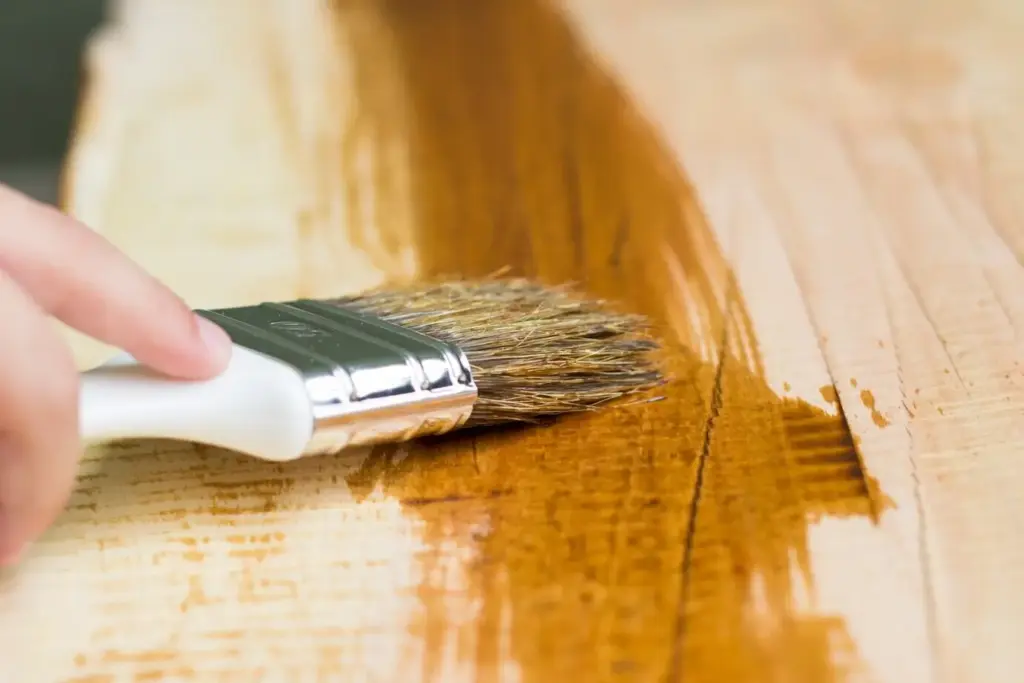
Historic materials have predictable behaviors: old-growth pine moves differently than engineered products, lime mortar breathes while hard Portland mixes trap moisture, and oil finishes mellow where plastic films peel. Matching material properties, profiles, and textures ensures repairs disappear gracefully, preserving harmony under changing seasons and everyday use.
Invisible Comforts, Visible Integrity
Map existing circuits, then rewire with grounded, code-compliant cabling using baseboard runs, closet backs, and plaster-friendly fishing techniques. Retain historic switch plates or replicate them while installing arc-fault protection. Thoughtful pathways limit patching, reduce dust, and keep decorative plaster and millwork intact through the necessary modernization.
Right-size equipment using load calculations, then consider mini-splits, high-velocity small-duct systems, or radiant solutions to minimize bulkheads. Conceal linesets and ducts in secondary spaces and align grilles with historic rhythms. Quiet, efficient operation should enhance daily life without rewriting ceilings, cornices, and time-softened proportions.
Improve comfort with targeted air sealing at attics and basements, add vapor-smart insulation, and manage water via gutters, flashing, and site grading. Choose heat pump water heaters, smart controls, and induction cooking where appropriate. Measured upgrades reduce bills and risks without trapping moisture or silencing old-house breathability.
Spaces That Live Better and Still Feel Right
Kitchen Evolution Without Erasure
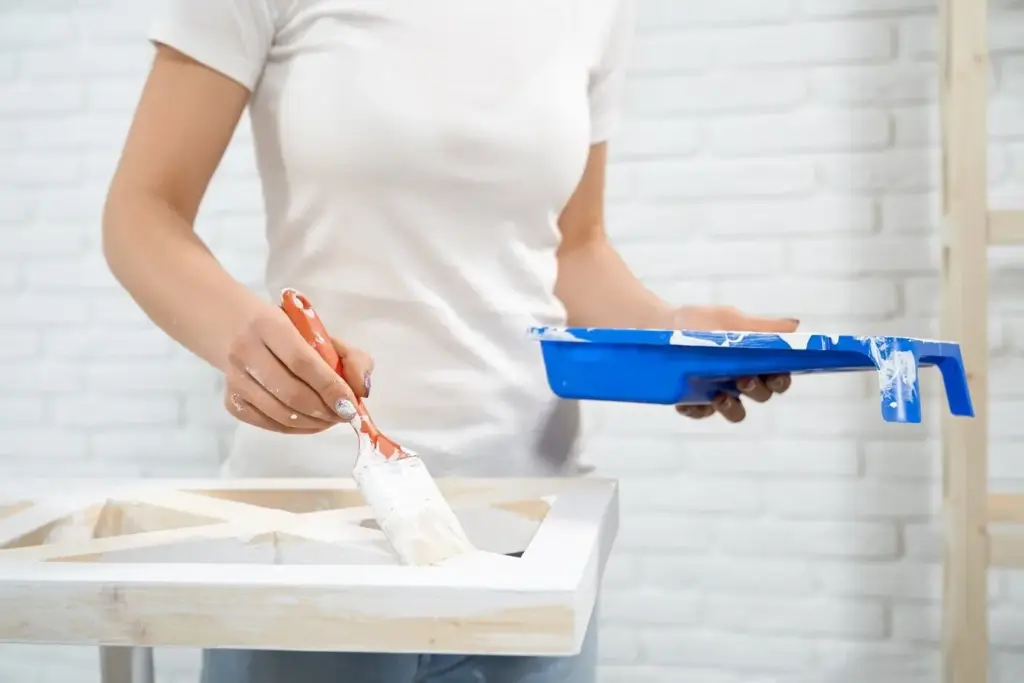
Design cabinetry that echoes existing profiles and woods, incorporate freestanding furniture elements, and respect window placements. Hide appliances with panels or place them discreetly. Durable counters and task lighting can coexist with beadboard, old floors, and modest ceiling changes to make cooking joyful without aesthetic amnesia.
Bathroom Comforts with a Gentle Touch
Tuck new baths into service areas or under eaves, aligning tile and trim with historic geometries. Use clawfoot tubs or classic silhouettes, balanced by modern waterproofing and ventilation. Warm floors, efficient fixtures, and careful lighting deliver indulgence while letting the building’s calm dignity remain center stage.
Openings, Transitions, and Light
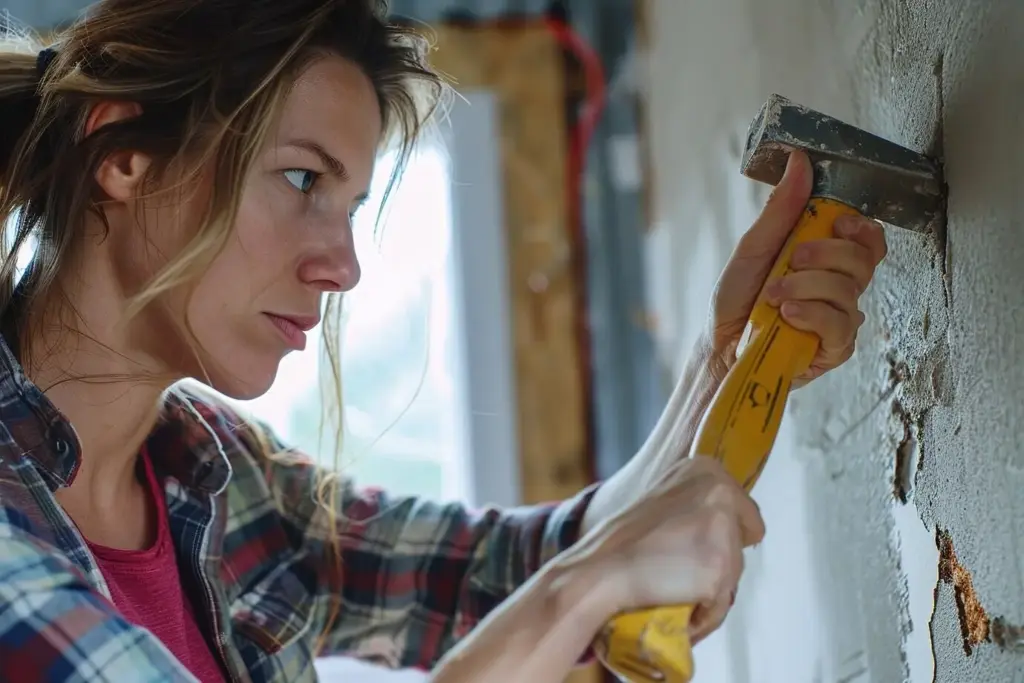
When enlarging doorways or creating gentle room connections, salvage casings and headers, step jambs to show evolution, and avoid flush, ahistorical widths. Use transoms and interior windows to move daylight. These subtle moves shape an inviting flow while honoring how spaces were originally composed.
Working with Review Boards
Prepare clear drawings, material samples, and a concise narrative of how character-defining elements are retained. Anticipate questions about reversibility, visibility from public ways, and long-term maintenance. Respectful dialogue often unlocks surprising flexibility when you demonstrate understanding, empathy, and a commitment to stewardship beyond the current project.

Funding, Credits, and Easements
Research federal, state, and local incentives, including rehabilitation tax credits, energy rebates, and preservation grants. Facade easements can protect exteriors while offering financial benefits. Coordinate documentation with your accountant and preservation consultant early to capture deadlines, required photos, and finish standards that keep funding paths open.

Permits, Phasing, and Contracts
Create a phased schedule that sequences hazardous material abatement, structural work, and finishes to limit rework. Build preservation clauses into contracts, including mockups and salvage requirements. Defined milestones reduce surprises, keep crews coordinated, and protect delicate fabric when multiple trades share tight, lived-in spaces.
A Farmhouse Finds Quiet Comfort
An 1890s farmhouse gained consistent temperatures by sealing the attic plane, adding discreet ducted mini-splits, and rebuilding a failing stone chimney with lime mortar. Original doors still latch, summer breezes still cross-ventilate, and the dining room’s handmade wainscot glows warmer under efficient, thoughtfully shielded lighting.
A Rowhouse Window Reawakening
Decades of paint sealed double-hung sash in a 1910 rowhouse. Repair revealed sound heartwood, tuned balances, and sparkling wavy glass. With interior storms, drafts calmed, traffic noise softened, and the facade regained its measured rhythm, proving careful repair can outperform replacements while honoring the street’s memory.
Maintenance as a Love Language
Set a seasonal routine: clean gutters, test sump pumps, service boilers, and inspect flashing, paint, and caulk. Tiny tasks prevent costly damage and preserve patina. Share checklists with housemates or neighbors, and invite readers to exchange tricks that keep aging materials resilient and welcoming.
All Rights Reserved.